
When someone needs legal help, they often start by visiting a law firm’s website. Before contacting a lawyer, potential clients want to understand the services offered, assess the firm’s experience, and feel confident about reaching out. Effective website development for law firms builds this connection by making legal information accessible, establishing credibility, and guiding visitors toward an initial consultation.
A successful legal website does more than introduce a practice. It supports visitors throughout their decision-making process, from identifying their legal concerns to finding the right lawyer and making an inquiry. Thoughtful website planning, informative content, and convenient communication features can make that journey easier.
Table of Contentsspan>
- How Does a Law Firm Website Influence the First Impression?
- Understanding the Client Journey Through Website Development
- Why Does Web Designing for Law Firms Need a Client-Focused Approach?
- How Can Website Structure Encourage Consultation Requests?
- The Importance of Brand Strategy in Legal Website Development
- How Does Local SEO Support Law Firm Website Visibility?
- Why Mobile Performance Matters Before the First Consultation
- How Can Law Firms Choose the Right Website Development Approach?
- Measuring the Journey From Website Visit to Consultation
- FAQs
- What is the main purpose of website development for law firms?
- How can a law firm website turn visitors into potential clients?
- What pages should a professional law firm website include?
- Does every law firm need custom website design?
- Can SEO-friendly website development improve consultation enquiries?
- How often should law firms update their websites?
- FAQs
- Conclusion
How Does a Law Firm Website Influence the First Impression?
A law firm’s website often shapes how potential clients perceive its professionalism and reliability. Visitors may arrive through a Google search, a recommendation, or a local business listing. No matter how they arrive, they should quickly understand what the firm does and whether its services match their needs.
Clear navigation, readable content, and an organized layout help establish a positive first impression. An outdated design, confusing menu, or slow-loading page may discourage visitors from exploring further.
Creating a Welcoming and Professional Website Experience
A legal website should inform visitors without overwhelming them. Simple layouts, consistent colours, and well-structured service pages make information easier to understand. Custom web design for law firms lets legal practices create websites that reflect their professional identity while meeting specific client expectations.
Important design considerations include:
- Clear descriptions of legal services and practice areas
- Easy access to lawyer profiles and contact information
- Responsive layouts for smartphones and tablets
- Consistent branding throughout the website
These elements help visitors become familiar with the firm before contacting them.

Understanding the Client Journey Through Website Development
The journey from a website visit to a consultation involves several stages. Potential clients generally want answers to three questions: Can this firm help with my legal matter? Is it trustworthy? How can I contact the right person? Effective website development for law firms addresses these questions through a logical website structure and relevant content.
Stage 1: Helping Potential Clients Find Relevant Legal Services
Visitors shouldn’t have to navigate multiple pages to find the legal assistance they need. Clearly organised practice area pages allow users to locate services such as family law, employment law, corporate law, or real estate law. Each page should explain the relevant service, common situations where legal assistance may be needed, and how someone can request more information.
For example, a visitor dealing with a workplace dispute should be able to find the firm’s employment law page without searching through unrelated content.
Stage 2: Building Confidence Through Useful Information
After identifying a relevant service, visitors often want to learn more about the firm’s legal professionals behind the firm. Detailed lawyer profiles, educational articles, and transparent service information help people assess whether the practice fits their circumstances.
Law firms can strengthen these pages by including relevant qualifications, professional experience, practice areas, and clear explanations of legal processes. Information should remain accurate, balanced, and consistent with applicable Canadian legal advertising requirements.
Stage 3: Making the Consultation Process Clear
Once visitors feel comfortable contacting the firm, the next step should be straightforward.
A prominent consultation button, clearly labeled contact form, or accessible telephone number reduces confusion. The website should explain how an initial inquiry works, what information visitors may need to provide, and whether consultation fees apply.

Why Does Web Designing for Law Firms Need a Client-Focused Approach?
Legal matters can be stressful, particularly for people facing unfamiliar situations. A client-focused website recognises that visitors may need reassurance, clear explanations, and practical guidance. Unlike general business websites, web designing for law firms should prioritise clarity, discretion, and accessibility.
Simplifying Legal Information Without Losing Accuracy
Legal terminology can be difficult for people without a legal background. Website content should explain services using straightforward language while preserving important legal details.
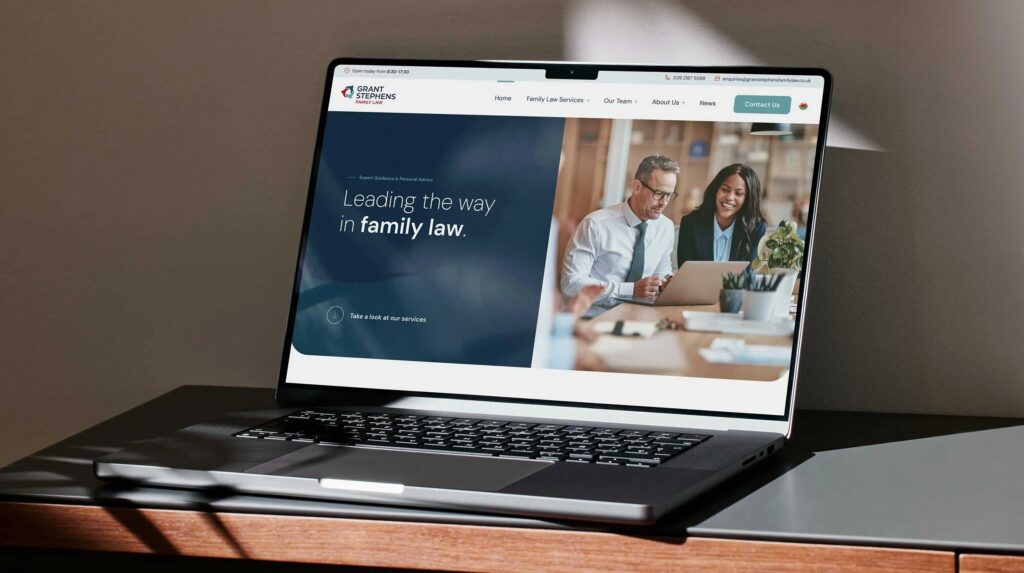
For example, instead of filling a page with technical terminology, a family law practice could explain how its lawyers assist with separation agreements, parenting arrangements, and property division.
Helpful headings, short paragraphs, and FAQs make complex subjects easier to navigate. This approach also helps search engines and AI-powered discovery tools identify each page’s topics.
How Can Website Structure Encourage Consultation Requests?
A website may attract relevant visitors without generating enquiries if the next steps are unclear.
Strategic website development connects information pages with practical contact options.
Placing Calls to Action Where Visitors Need Them
Not every visitor is ready to contact a lawyer immediately. Some need more information before deciding.
Consultation prompts should therefore appear at appropriate points throughout the website, including practice area pages, lawyer profiles, and relevant informational articles.
Examples include:
- Request an Initial Consultation
- Speak With a Member of the Legal Team
- Contact the Firm About Your Legal Matter
- Discuss Your Legal Needs
The wording should accurately reflect the firm’s consultation process, not imply guaranteed legal advice or outcomes.
Creating Contact Forms That Respect Privacy
Legal enquiries may involve sensitive personal information. Contact forms should request only the details needed for an initial enquiry and explain how the firm will handle submitted information.
Secure connections, appropriate access controls, and clear privacy notices are important considerations. Forms can also remind visitors not to include confidential details before a lawyer-client relationship has been established.

The Importance of Brand Strategy in Legal Website Development
A law firm’s brand extends beyond its logo and colours. It includes how the practice communicates, describes its services, and presents its professional values. Brand Strategy Consulting can help legal practices define their positioning, organise their messaging, and create a consistent identity across their websites.
Connecting Brand Messaging With Client Expectations
A firm serving business owners may emphasise practical commercial guidance, while a family law practice may prioritise clear communication and a supportive client experience.
The website’s content and design should reflect these differences. Consistent messaging helps visitors understand the firm’s approach without relying on exaggerated claims or unnecessary promotional language.
How Does Local SEO Support Law Firm Website Visibility?
Law firms often serve clients within particular cities, provinces, or surrounding communities. Location-specific website content helps search engines understand where a practice operates and what legal services it provides.
For example, a Toronto law firm may benefit from clearly identified practice area pages, accurate office information, and content relevant to Ontario legal matters.
Building a Website Structure for Local Searches
A well-organised website should include:
- Accurate business names, addresses, and contact details
- Individual pages for important legal practice areas
- Relevant location information where the firm genuinely operates
- Descriptive page titles and headings
Working with a Toronto web development company that understands website architecture can help firms establish a technically sound foundation for ongoing search optimisation. However, local visibility also depends on content quality, competition, relevance, and other search factors.

Why Mobile Performance Matters Before the First Consultation
Potential clients may browse legal websites while commuting, taking a break at work, or dealing with an urgent personal matter. A difficult-to-use website on a smartphone can make even simple tasks frustrating. Mobile-friendly development ensures that important content, navigation menus, and communication options remain accessible across different screen sizes.
Reducing Obstacles for Mobile Visitors
Useful mobile features include readable text, appropriately sized buttons, easily accessible phone numbers, and simple contact forms.
Fast-loading pages and well-organised content also help visitors reach the information they need without unnecessary delays. A responsive website supports usability, although it does not guarantee that every visitor will submit an enquiry.
How Can Law Firms Choose the Right Website Development Approach?
Law firms have different website requirements depending on their size, practice areas, and growth plans.
A small practice may need a streamlined website with essential service pages and a straightforward contact process. A larger firm may require multiple lawyer profiles, extensive legal resources, office location pages, and integration with client management systems. A custom website development agency should consider these requirements before recommending a platform or website structure.
Planning for Future Updates and Growth
As a legal practice evolves, it may add services, hire lawyers, or expand into new locations. A flexible website architecture makes it easier to accommodate these changes without rebuilding the entire website.
For firms considering a new digital presence, agencies such as Bamozz take a strategy-led approach to website development, connecting business goals, user experience, website structure, and technical requirements.
Measuring the Journey From Website Visit to Consultation
Launching a website is only the beginning. Law firms should regularly evaluate how visitors interact with their websites and how easily potential clients can request legal assistance. Key performance indicators include consultation form submissions, phone calls generated through the website, visits to important practice area pages, and the percentage of relevant visitors who submit an enquiry.
These measurements can reveal opportunities to improve page content, navigation, and communication features. However, the number of enquiries alone does not determine website success. The relevance of those enquiries and the firm’s ability to respond effectively are equally important.
FAQs
What is the main purpose of website development for law firms?
The primary purpose is to create a professional digital platform where potential clients can understand legal services, assess a firm’s qualifications, and easily request a consultation.
How can a law firm website turn visitors into potential clients?
A law firm website can encourage enquiries through useful content, clear practice area descriptions, accessible lawyer profiles, transparent contact information, and simple consultation request forms.
What pages should a professional law firm website include?
Essential pages generally include a homepage, practice area pages, lawyer profiles, an About page, contact information, and a privacy policy. Helpful legal resources and FAQs may also improve the experience.
Does every law firm need custom website design?
Not necessarily. Smaller practices may meet their needs with a well-configured website template, while firms requiring unique features, integrations, or complex content structures may benefit from custom development.
Can SEO-friendly website development improve consultation enquiries?
SEO-friendly development can help search engines access and understand relevant legal content. Combined with useful information and clear contact options, it may attract visitors interested in a firm’s services.
How often should law firms update their websites?
Law firms should review their websites regularly to keep lawyer information, legal service descriptions, contact details, security measures, and technical functionality up to date.
Conclusion
A law firm website should do more than create an attractive online impression. It should help potential clients understand their legal needs, evaluate the firm’s services, and feel comfortable taking the next step.
From informative practice area pages to secure contact forms and mobile-friendly navigation, every element contributes to the visitor experience. By investing in thoughtful website development, legal practices can create a digital platform that supports meaningful enquiries, strengthens professional credibility, and provides a practical foundation for long-term growth.